Why Did I Get Two Parking Tickets Back to Back?
Quick Answer
Got two parking tickets in a row on your residential or strata property in BC? Learn why it happens, what to do next, and how structured parking management can reduce repeat violations on your property.
Key Takeaways
Why double tickets happen
Two tickets usually mean overlapping violations or enforcement periods, not a simple mistake by the officer.
Act quickly on tickets
Reading both tickets and responding within the stated BC timelines preserves your options to dispute or pay.
Digital systems reduce confusion
Digital parking registration and clear visitor management make it harder for residents and guests to park incorrectly.
Signage supports fair enforcement
Visible, well-maintained signage helps drivers understand rules and supports transparent, defensible ticketing decisions.
Use audits and consultation
A free consultation and parking audit help property owners uncover systemic issues behind repeat violations.
Understanding the Causes of Double Parking Tickets
You usually get two parking tickets back to back because the same violation continued across different enforcement periods or rules, not by mistake. A vehicle can be in violation both for missing a permit and for parking during restricted hours, and each can generate its own ticket. Understanding how those rules overlap is the first step to avoiding repeat fines.
Double tickets often happen in permit-only zones where the vehicle is not properly registered. If a car is left overnight in a residential stall without a valid permit and then remains into a time-restricted morning window, each time band or rule can be enforced separately.
Overlapping enforcement periods are another trigger. For example, a vehicle parked in a visitor stall may be fine for the first few hours, then move into violation once the visitor time limit expires, and later still be in violation of an overnight rule.
Miscommunication about parking rules is just as common as deliberate non-compliance. A family member may assume their plate is “on file” without having been registered, or a tenant might believe their old hangtag is still valid after a permit renewal cycle.
In shared residential or strata lots, informal arrangements like “you can use my stall tonight” cause problems when they do not match the posted rules. Enforcement is based on permits, registration and signage, not on private agreements between neighbours.
Recognizing the Signs of Parking Violations
Spotting warning signs before you leave your vehicle makes it much less likely you will see two tickets on the windshield. Many violations happen in areas where rules are changing or not clearly understood, especially around visitor parking and new resident-only zones.
Specific indicators that your parking situation is at high risk of a ticket include unclear signage, fresh posts indicating recent rule changes, and curbs or lanes that look like fire routes but are treated as casual parking by other drivers. These are all signals to slow down and confirm the rules.
Signs that look recently installed, covered, or rotated, suggesting updated restrictions or new enforcement hours.
Multiple overlapping signs (time limits, permit-only, tow-away) on the same pole, which increases the chance of misunderstanding.
Pavement markings that are faded or partially painted over, hinting that the area’s use has recently changed.
Neighbours mentioning new strata bylaws or city rules, but official notices you have not fully read or cannot find.
Areas where people regularly park despite red curbs, cross-hatching, or fire lane markings, creating a false sense of safety.
Poorly marked areas, like visitor stalls with worn numbers or entrances without clear instructions, can make honest mistakes more likely. Recent changes in local parking laws or strata bylaws can also create a transition period where residents are unsure which rules now apply.
If you feel even slightly unsure about the rules in front of you, assume enforcement will follow the strictest posted condition. That mindset helps avoid situations where one misunderstanding leads to repeated violations over several enforcement rounds.
Prioritizing Your Next Steps After Receiving a Ticket
Seeing two tickets on the same vehicle is stressful, but you still have control over what happens next. The most effective response is structured: confirm the facts, collect documentation, and then decide whether to pay or appeal within the timelines that apply in British Columbia.
BC ticket appeal timelines can be tight, and requirements vary depending on who issued the ticket. Leaving the envelope on the dashboard for days increases the chance you will miss a dispute window or misplace important information printed on the notice.
Carefully read both tickets, noting the alleged violations, locations, dates, times and the issuing authority on each notice.
Photograph the vehicle position, surrounding signage and pavement markings as soon as you can, including any unclear or obstructed signs.
Gather supporting documents such as permits, digital registration confirmations, visitor approvals or strata communications about parking rules.
Check the back of each ticket or the issuer’s website for the specific deadline and process for disputing or paying in BC.
Decide, based on the evidence, whether to dispute one or both tickets, and submit your dispute using the listed method before the deadline.
Keep copies or screenshots of everything you send, along with a simple note of dates, times and reference numbers for your own records.
Timely, well-documented responses are usually taken more seriously than late, emotional ones. Your goal is a clear, factual account of what happened, supported by photos and records, so a reviewing officer or administrator can understand your position quickly.
How Royal Parking Can Help Manage Your Parking Needs
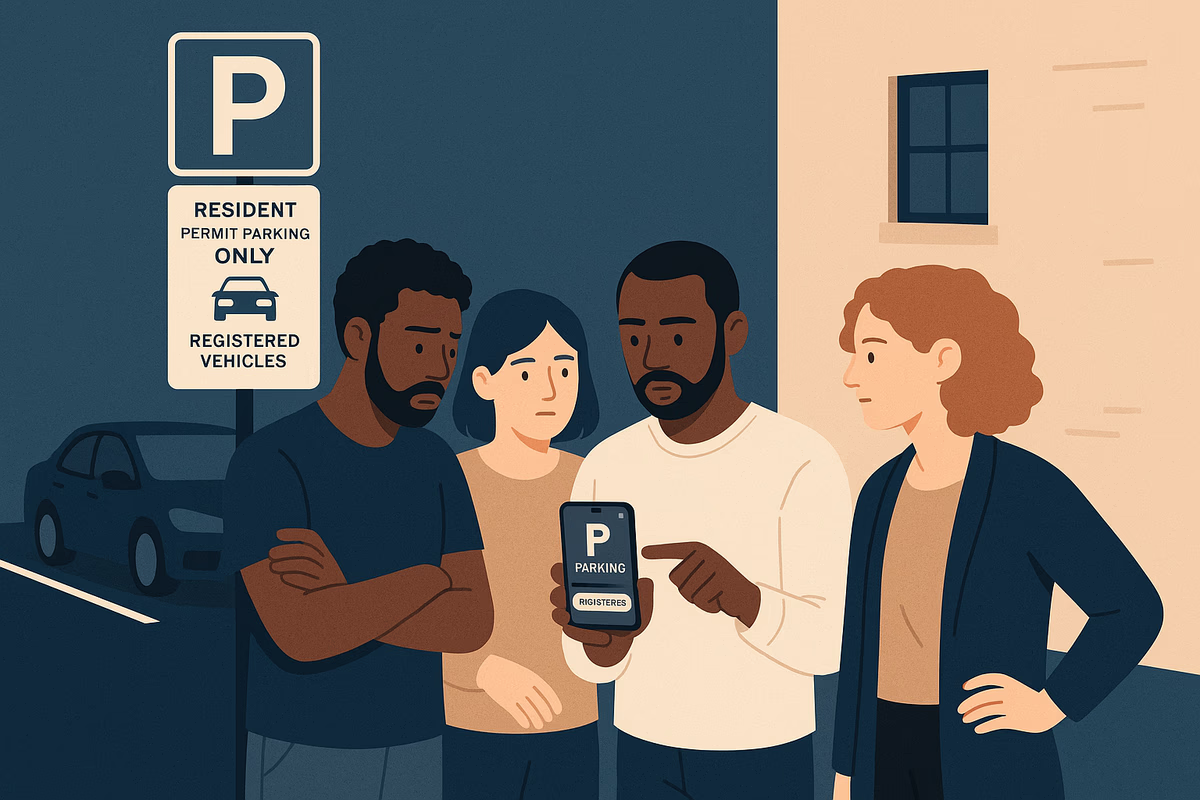
For homeowners and strata councils, the bigger question is how to stop the pattern of repeat tickets on a property. That often means moving away from informal rules and adopting a structured parking system that makes it hard for residents and visitors to park “wrong” in the first place.
One practical solution is digital visitor parking management, which Royal Parking provides as part of our residential parking management services. Guests scan a QR code or follow simple on-site directions, register their plate in seconds, and their stay is automatically tied to the correct rules for that property.
Royal Parking’s system removes guesswork around who is allowed to park in visitor stalls and for how long. Property managers and strata councils gain real-time visibility into which vehicles are registered as legitimate visitors, which reduces disputes about “unauthorized” cars that may in fact have a valid registration.
We also offer physical permit parking programs — decals, hangtags, digital permits and registered permits — so authorized vehicles are immediately identifiable. Royal Parking handles issuance, tracking and renewals, which reduces the chance that outdated or copied permits are used and then repeatedly ticketed.
On-site physical patrols, another service provided by Royal Parking, give consistent enforcement and a visible reminder that rules apply. Officers use digital tools to verify permits and registrations, addressing unauthorized vehicles and roadway obstructions before they turn into ongoing problems and repeated tickets.
Understanding Parking Enforcement Procedures
Double tickets can feel arbitrary if you cannot see how enforcement actually works. In reality, structured enforcement follows a defined process so that each ticket is based on specific evidence tied to posted rules.
Royal Parking’s enforcement officers across BC are trained in documentation, respectful on-site conduct and the regulatory realities of local properties. Every enforcement action is digitally documented, verified and fully reviewable, which means each ticket has a record of the time, location, vehicle details and reason for the violation.
On-site physical patrols operate on scheduled and responsive routes. Officers look for unauthorized vehicles in permit zones, violations in fire lanes and roadways, and signs of vandalism or unsafe activity, recording what they see with photos and structured notes.
Enforcement decisions are based on the property’s agreed rules, not on who owns the vehicle or how often it has been seen before. This objective approach is designed to reduce tenant conflict by making the basis for each ticket clear and consistent for everyone involved.
For property managers and strata councils, Royal Parking provides transparent, real-time reporting so they can review patrol results, violation trends and specific enforcement actions. That visibility helps them understand why certain areas generate recurring tickets and where the rules or layout might need adjustment.
Comparing Different Parking Management Solutions
Choosing the right parking management approach affects how often residents and visitors find multiple tickets on their vehicles. Many properties in BC use a blend of traditional physical permits and newer digital systems, but each option has different strengths and weaknesses.
System Type | How It Works | Strengths | Limitations |
|---|---|---|---|
Traditional physical permits | Residents receive decals or hangtags that must be displayed to show authorization. | Simple to understand, quick visual checks by patrols, works without internet or smartphones. | Permits can be lost, shared or copied, and records can become outdated, increasing accidental violations. |
Digital parking registration | Plates are registered online or via QR code, and authorization is checked in a digital database. | Real-time records, easier updates, clearer audit trail and better alignment with changing rules. | Requires access to a smartphone or internet and careful setup of rules and registration instructions. |
Hybrid (physical + digital) | Physical permits are backed by a digital registry maintained by the parking provider. | Visual confirmation plus accurate backend records, helpful for complex or high-traffic properties. | Needs consistent administration so both physical and digital records stay synchronized. |
Royal Parking uses both digital parking registration and physical permit parking programs, depending on each property’s needs. Digital records tend to reduce repeat violations because they make it easier to verify authorization and update rules without re-issuing every permit, especially on properties with frequent tenant turnover.
Physical permits still have their place where simple, quick visual checks are a priority. A carefully designed program with clear categories of decals or hangtags can work well when backed by accurate records and consistent enforcement.
Creating a Sustainable Parking Strategy
Solving one round of tickets is useful, but most homeowners and strata councils want a stable situation where rules stay clear and enforceable over time. That calls for a sustainable parking strategy rather than one-off fixes.
A comprehensive parking strategy brings together policies, enforcement, communication and layout. It should define who may park where, for how long, how guests register, and how exceptions are handled, with those rules reflected in permits, digital systems and signage.
Regular parking audits are an important part of keeping that strategy healthy. A free parking audit can identify mismatches between current use and posted rules, spots where unauthorized parking is common, and areas where outdated signage invites mistakes.
Royal Parking offers a free parking audit service that reviews property layout, existing signage and problem areas, then flags where changes could support better compliance. Over time, this kind of structured review helps avoid the slow drift toward confusion that often leads to clusters of tickets in the same locations.
For more thinking on why issues tend to resurface on BC properties, you may find our article on recurring parking problems helpful when planning long-term improvements.
The Role of Clear Signage in Preventing Tickets
Even the best policies will not work if drivers cannot see or understand them. Clear, well-placed signage often makes the difference between a visitor finding the right stall and that same visitor collecting repeated tickets over several days.
Good signage does two jobs at once: it explains the rules and makes enforcement defensible. When signs are visible, consistent and maintained, it is much easier for residents, guests and any enforcement officer to tell who should be parked where.
Royal Parking supplies and installs high quality parking signage tailored to each property, including repair or replacement of damaged or vandalized signs. That includes permit-only markers, visitor instructions, fire lane and tow-away notices, and directional signs that guide drivers to the correct areas before they stop.
On many properties, improving compliance has started with simple but targeted signage changes: adding clear visitor registration instructions at entrances, marking time limits directly on stalls, or reinforcing no-parking zones in fire lanes. These adjustments make it less likely that someone parks incorrectly overnight and receives two tickets across different patrols.
Ongoing maintenance matters as much as initial installation. Faded or obstructed signs send mixed messages, so including signage checks in a regular audit or inspection routine keeps the rules visible and reduces unintentional violations.
Next Steps for Property Owners
If repeated tickets are common on your property, the pattern usually points to a systems issue, not a single bad actor. Moving from ad-hoc rules to a clear, documented approach gives residents more certainty and reduces conflict around enforcement.
Royal Parking offers a free consultation for property owners and strata councils across Vancouver, Burnaby, Richmond, Surrey, Coquitlam, North Vancouver and the surrounding Lower Mainland. During this conversation, we review your current parking policies, problem areas and enforcement setup, then discuss practical options for improvement.
Make a brief list of your top parking concerns, such as frequent double tickets, visitor misuse or blocked fire lanes.
Contact Royal Parking through our website to request a free consultation, sharing basic details about your property type and location.
Meet with our team to walk through your current layout, rules and any existing permits or digital systems.
Decide which of our services — such as digital registration, physical permits, on-site patrols or signage upgrades — best align with your goals.
Schedule a free parking audit so we can assess your site in detail and outline a structured plan tailored to your property.
You can start with that simple written list of issues today. From there, a consultation and audit process gives you a concrete picture of what is happening in your lot and practical options to address it with Royal Parking’s support.